
How to Renovate Your Kitchen for Healthier Cooking and Lasting Wellness
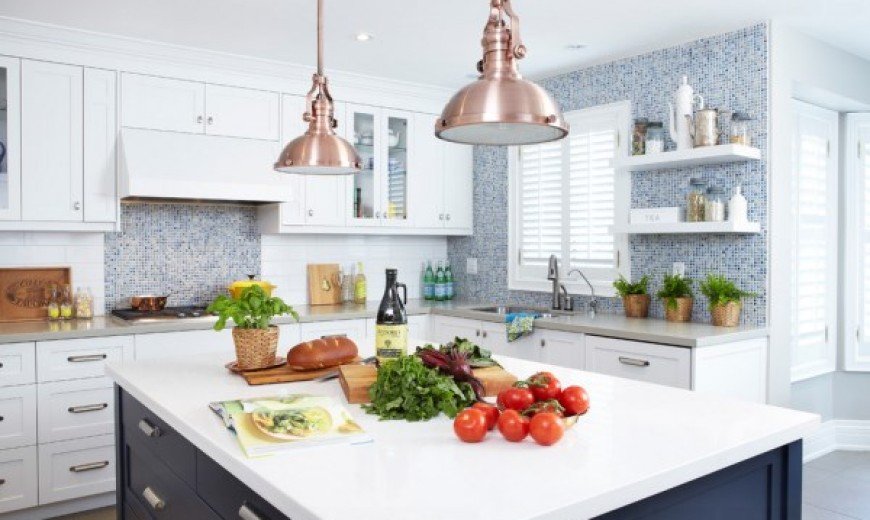
Guest blogger: Sheila Olson
For home cooks planning a kitchen renovation, the biggest challenge often isn’t motivation; it’s that daily routines collide with a space that makes the healthy choice feel inconvenient. When counters are cramped, storage is chaotic, or cooking feels like a chore, even simple meals can turn into last-minute takeout or packaged options. Nutrition-focused kitchen design treats the room like a quiet partner in better decisions, shaping how easily real food fits into busy days. A healthy cooking environment can turn consistency into the default, supporting long-term wellness.
Understanding How Design Makes Healthy Cooking Automatic
At the heart of a health-focused renovation is alignment. Kitchen layout principles, appliance selection criteria, food storage solutions, and health-minded material choices should support the way you actually cook. Many sustainable kitchen design ideas do this by making the best choice the easiest choice.
This matters because willpower is unreliable on busy days. When tools, ingredients, and cleanup flow naturally, home cooking happens more often and with less stress. Every day, safety improves too, since safe food preparation is easier to maintain when your setup is organized.
Picture a weeknight when you are hungry and tired. If a clear prep zone sits near the sink, a sharp knife is within reach, and containers are labeled at eye level, cooking feels almost pre-decided. Compare that to digging through clutter and giving up.
Choose Layouts and Tools That Nudge Better Meals
A healthy kitchen isn’t about willpower; it’s about reducing friction. When your layout, appliances, storage, and materials support your routine, healthy meal preparation becomes the “easy default,” even on busy nights.
Open up the prep zone you use most: Create a clear, well-lit path between the fridge, sink, and main counter so you can rinse, chop, and cook without detours. If you’re adjusting to an open kitchen layout, prioritize a continuous 36–48 inch stretch of counter near the sink for washing produce and staging ingredients. Keep a compost/bin pull-out and a small “prep tools” drawer (knife, board, peeler) in that same zone so you don’t bounce around the room.
Make the healthiest cooking method the quickest: If you roast vegetables, bake fish, or batch-cook grains, put those tools in the easiest-to-reach spots. Install a wall oven or place the primary oven next to your main counter so sheet-pan meals feel effortless, and add a vent hood that actually gets used because it’s quiet enough. In a small kitchen, a single “heat-and-serve” landing area beside the oven or microwave prevents juggling hot dishes and reduces takeout temptation.
Choose energy-efficient appliances that support real habits: Match appliances to how you actually cook, then look for efficient models within that category. Induction or efficient electric cooking can make weeknight sautéing faster and more comfortable, while a right-sized fridge helps food last without wasting energy cooling empty space. If you’re intrigued by connected features, the growth behind the USD 18.75 billion in 2023 smart kitchen appliances market size suggests you’ll have plenty of options for timers, temperature guidance, and reminders that reduce guesswork.
Build “smart” food storage into the cabinetry, not just the fridge: Plan zones that make healthy choices visible: shallow pantry shelves for canned beans, grains, and spices; a dedicated snack drawer for portioned nuts or fruit; and clear bins for meal components. Add full-extension drawers so you can see what you own, and consider a low, wide drawer for containers and lids to stop the daily search. For food preservation, leave space for a cooling rack, labeled freezer bins, and a small spot to jot “use-first” items.
Use non-toxic, easy-clean materials in the messiest places: Healthy cooking involves splatter, so choose surfaces that clean fast without harsh chemicals. For countertops and backsplashes, look for low-VOC options and adhesives, and ask for product documentation before you buy. Seal or finish wood properly, and avoid materials that stain easily around your main prep area so you’re not tempted to “save cleanup for later.”
Add a few “nudge” details that keep meals consistent: Upgrade lighting over your prep counter so chopping and reading labels feels easier, and add outlets where you’ll actually use them (counter corners, inside an appliance garage). If you meal prep, include one open shelf or cubby for your most-used small appliance so it doesn’t live in a hard-to-reach cabinet. These small layout decisions make it simpler to evaluate what you need for safe ventilation, power capacity, and storage space before construction starts.
Kitchen Renovation Q&A for Healthy Habits
Q: How can a kitchen layout be designed to encourage healthier cooking and eating habits?
A: Design around a simple “grab, rinse, prep, cook” flow so fresh ingredients feel effortless. Keep the sink, main counter, and cooktop close, and reserve your easiest-to-reach drawers for knives, boards, and everyday spices. Before you finalize cabinets, confirm exact appliance sizes so clearances do not steal your best prep space.
Q: What types of appliances support long-term nutrition and make healthy meal preparation easier?
A: Choose appliances that make whole-food cooking faster, like a responsive cooktop, a reliable oven for sheet-pan meals, and a quiet vent hood you will actually use. For energy consumption, compare the annual kWh and right-size your fridge to avoid paying to cool empty space.
Q: Which storage solutions help maintain food freshness and reduce waste effectively?
A: Use clear, airtight containers, labeled freezer bins, and full-extension pantry drawers so “use first” foods stay visible. Add a dedicated zone for produce and a separate spot for lunch prep to reduce forgotten leftovers.
Q: What materials in kitchen renovations contribute to a cleaner, more sustainable cooking environment?
A: Prioritize low-VOC finishes, sealants, and adhesives, and ask for documentation so you are not guessing about off-gassing. Pick non-porous, easy-clean surfaces near the stove and sink to reduce reliance on harsh cleaners.
Q: What if I want to renovate my kitchen with professional help that also guides me toward healthier lifestyle choices?
A: Look for a pro who will translate your health goals into a plan, like better lighting, ventilation, and storage zoning. Ask upfront about electrical safety updates, such as GFCI outlets for safety near water, and request a clear sourcing plan for dependable switches, outlets, and lighting components, including quality electrical supplies.
Healthy Kitchen Renovation Quick Checklist
This checklist turns wellness goals into clear renovation decisions, so your new kitchen makes healthier cooking feel automatic. Use it before you order anything and again before you move back in.
✔ Map the prep path from fridge to sink to counter to heat.
✔ Reserve prime drawers for knives, boards, and daily seasonings.
✔ Specify the ventilation you will run every time you cook.
✔ Select right-size appliances that support whole-food meals and batch cooking.
✔ Add airtight storage with labels for pantry, fridge, and freezer.
✔ Choose low-odor finishes and easy-clean surfaces near splash zones.
✔ Upgrade lighting for bright, shadow-free chopping and reading labels.
Check these off, and your kitchen will support you daily.
Start Small to Build a Kitchen That Supports Wellness
It’s easy to want healthier meals but feel pulled off track by cluttered counters, hard-to-reach tools, or choices that depend on willpower at the end of a long day. The steadier path is an intentional kitchen design mindset: shape the space so healthy kitchen habits are the easiest habits, and let sustainable cooking practices fit naturally into real life. When the environment supports the goal, everyday decisions get simpler, and the long-term nutrition benefits show up as consistency, not perfection. Design the kitchen you want, and healthier cooking becomes the default. Choose one checklist item to tackle this week, clear one zone, streamline one storage area, or plan one upgrade. That’s wellness through environment: building a home base that supports resilience, energy, and health for years.