SB Warm up #1
3x 6-10 (depending on load) reps of:
Bear hug squats
Deadlifts
Ground to shoulder
Shoulder to overhead
Back squats
WOD
5 rounds of:
10 SB deadlifts
10 SB shoulder to shoulder
2 minute 30 second SB carry


SB Warm up #1
3x 6-10 (depending on load) reps of:
Bear hug squats
Deadlifts
Ground to shoulder
Shoulder to overhead
Back squats
WOD
5 rounds of:
10 SB deadlifts
10 SB shoulder to shoulder
2 minute 30 second SB carry
Aerobic Warm Up #2
3 consecutive rounds
30 seconds no break
-Prisoner step ups
-Mountain climbers or sliders
-Flutter kicks
-Pop squats
-Butt kicks
-Skater jumps
Then...
3 rounds of:
(5 steps forward and back)
-Sampson
-Knee hugs
-Dynamic walk
-Walking pigeon
WOD
For time:
Lunge wit rotation
50 pull up/125 band row
50 push up + thigh taps
100 Russian twists
50 (L/R) stationary lunge + curl + rotation + overhead press

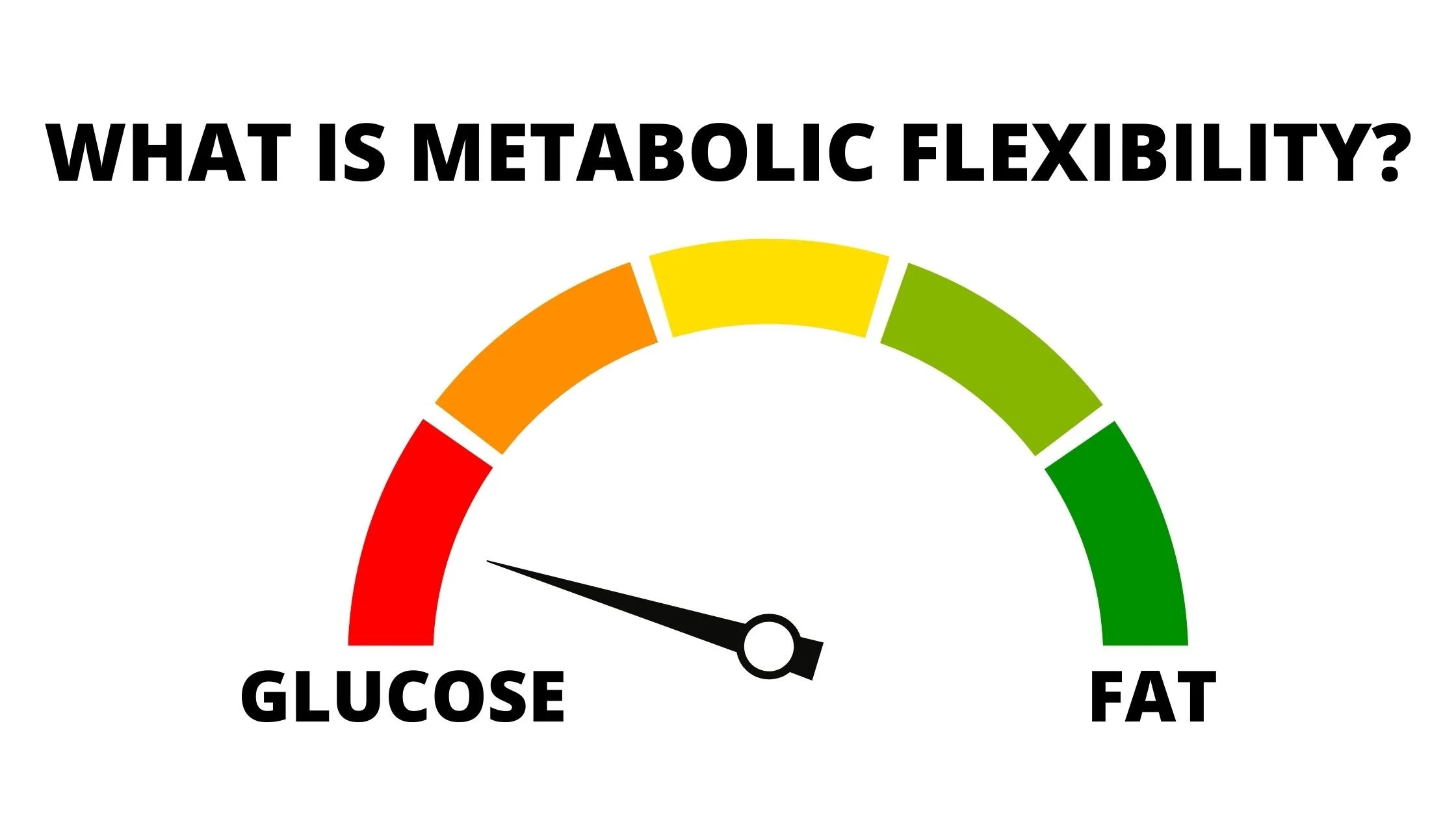
In a world obsessed with crash diets, calorie counting, and endless cardio, there’s a foundational pillar of health that’s too often overlooked: metabolic flexibility—your body’s ability to seamlessly switch between burning carbohydrates and fat for energy.
As a health and fitness professional with decades of experience, I’ve seen firsthand how improving this single function can accelerate fat loss, sharpen mental clarity, stabilize blood sugar, and promote long-term health. Whether it’s through self-experimentation or coaching clients at AMRAP Fitness, the path to longevity often begins by improving what your body does behind the scenes.
Metabolic flexibility means that your body efficiently shifts between burning glucose (from carbs) and fat (from stored energy or dietary fat) depending on the demand. A metabolically flexible person:
Has stable energy throughout the day
Can train hard fasted or fed
Burns fat efficiently when at rest
Doesn’t “crash” after missing a meal
Metabolic inflexibility, on the other hand, is a hallmark of aging, obesity, insulin resistance, and the dreaded Deadly Quartet. It often leads to chronic fatigue, fat gain, and inflammatory conditions.
Insulin Control: Bikman emphasizes that metabolic flexibility is impossible without regulating insulin. Chronically high insulin impairs fat burning and leads to inflammation.
Fat as Fuel: In metabolically flexible individuals, fat is the preferred fuel at rest, protecting against weight gain and insulin resistance.
Longevity Marker: Elevated insulin and glucose are predictors of shortened lifespan. Improving flexibility extends both healthspan and lifespan.
Blood Sugar Variability: Hyman notes that wild swings in blood sugar undermine metabolic health. A flexible metabolism maintains energy and focus through stable glucose control.
Mitochondrial Health: Efficient energy use reduces oxidative stress, supporting cellular longevity.
Nutritional Strategy: Whole-foods, anti-inflammatory eating (like Paleo-Zone) naturally encourages metabolic flexibility.
Muscle as a Metabolic Organ: Lyon argues that skeletal muscle is the key to glucose disposal and fat oxidation. More muscle = more flexibility.
Protein Prioritization: Adequate protein intake supports lean tissue and metabolic efficiency.
Exercise Synergy: Combining resistance training with NEAT and strategic fasting accelerates metabolic improvements.
1. Time-Restricted Feeding & Fat Loss (Dr. Satchin Panda)
A group following an 8-hour eating window without cutting calories experienced improved insulin sensitivity and decreased body fat—due to enhanced metabolic switching.
2. Muscle Gain & Glucose Regulation (Dr. Gabrielle Lyon)
Women over 40 who prioritized resistance training and protein intake saw dramatic improvements in glucose control—even without weight loss—by becoming more metabolically flexible.
3. Zone Diet & Endurance (Barry Sears Lab)
Participants following a Zone-Paleo hybrid diet showed improved VO₂ max and body composition, with better metabolic markers, even in sedentary individuals.
At AMRAP Fitness, I guide clients to reclaim their metabolic function through a multi-tiered, sustainable protocol:
Smart Carbohydrate Cycling
Zone-balanced meals with high-fiber vegetables and slow-burning carbs keep blood sugar steady.
Muscle-Centered Training
Resistance training and walking build lean mass and accelerate fat metabolism.
NEAT & Intermittent Movement
Integrating non-exercise movement like walking, rucking, or standing throughout the day reduces insulin spikes.
Protein Timing
Consistent protein intake throughout the day stabilizes appetite, supports muscle, and promotes longevity.
This isn’t a crash diet—it’s a metabolic recalibration.
Whether you’re hitting a fat loss plateau, struggling with energy crashes, or just looking to feel better, improving your metabolic flexibility might be the key. My approach blends strength training, functional nutrition (Zone-Paleo), and personalized habit change for lasting results.
You don’t have to be perfect. You just need to start.
Contact:
📧 amrapfitness@hotmail.com
📍 Mercer County, NJ
🏋️♂️ In-Person and Virtual Coaching Available
Bikman, B. (2020). Why We Get Sick.
Hyman, M. (2021). The Pegan Diet.
Lyon, G. (2023). Forever Strong.
Panda, S. (2020). “Time-restricted eating for metabolic health.” Cell Metabolism.
Sears, B. (2002). The Anti-Inflammation Zone.