
Cycling Prep: Everything You Need to Get Ready for Your Next Ride
As an avid cyclist, you anxiously await each opportunity to hit the road or trail on your bike. But if you don’t prepare, your ride can quickly be derailed by a flat tire or muscle cramp. A bit of preparation can make the difference between a successful ride and a premature drive home, so make sure to follow some basic prep before you saddle up. AMRAP Fitness presents some tips that can help you make the most of your next ride.
Maintenance
No matter how long your ride, always check your tire pressure, brakes, and chain before you take off. Known as the ABC check, this once-over ensures your ride meets a basic level of roadworthiness.
Before long-distance or high-intensity rides, closer attention is warranted.
Frame: Check for cracks, particularly near welds.
Brakes: Ensure brake pads aren’t worn to their wear indicators or metal shoes and that they come in full, even contact with the braking surface of the rim. Test braking power.
Wheels: Spin wheels to make sure they’re true and free of dents and the spokes are tight.
Tires: Inspect tires for embedded debris or cracks in the tread or sidewall and ensure there is adequate tread.
Drivetrain: Use a chain checker tool to see if the chain needs replacement. Shift through gears and monitor for rubbing or noise.
If you notice any problems, visit your local bike shop for repairs before going on any major rides. If you’re handy and have the right tools, you can learn how to do many bike repairs yourself. Bicycle Tutor offers video guides that walk viewers through essential bike repairs.
Training
In the weeks leading up to your ride, focus on gradually building endurance. Add mileage and intensity in small increments and only when you feel comfortable at the previous step. Incorporating interval training is an effective way to build stamina. For either option, train on terrain similar to the race or ride’s course.
Complement your aerobic training regimen with strength training. A stronger body means increased injury resistance and more power behind every pedal. Focus on increasing strength in your core and lower body.
Don’t forget to stretch. Stretching increases flexibility and prevents stiffness after an intense training session. Try these stretches recommended by Cycling Weekly to reduce tightness in the back, neck, shoulders, and lower body. Stretch right after you finish a ride when your muscles are still warmed up and responsive.
Gear
For a road race, you might need little more than your cycling kit, water, eye protection, helmet, gloves, multi-tool, and tire repair kit. For a mountain bike race, add protective gear, a shock pump, chain lube, and a first aid kit. While you can always bring extra stuff, particularly food on longer rides, aim to keep your load light.
Multi-day rides and tours require a much more extensive gear list, including camping equipment, racks and panniers, and personal items. As you plan your bike tour gear, consider how far your route will take you from bike repair shops, grocery stores, and other amenities. The more remote your route, the more supplies you’ll need to bring.
Home and Work
Your bike and your body aren’t the only things that need to be prepared before a big bike expedition. If you’ll be leaving home for more than a day or so, you need to make arrangements to keep things running smoothly at home and at work.
Arrange for pet sitters and babysitters as needed, make sure all your bills are paid up, and stop mail delivery for multi-day trips. Empty homes are a target for criminal behavior and you can protect your home by masking your absence. Set lights to timers, schedule lawn care, and hire a house sitter who can stop in regularly. And of course, don’t forget to lock all your doors and windows, including the garage.
If you’re a small business owner, you’ll want to make the proper arrangements on that front as well. In addition to letting employees know when you’re leaving and when you’ll return, it’s also important to designate who will handle your responsibilities while you’re away. Make sure to arrange for training (if necessary), and leave emergency contact information for employees in case of an emergency.
Following these basic prep tips will have you primed for your next big ride. And each time you get on your bike, you’ll discover things you can do to make the next outing even better. When it comes to adventure, the learning is never over.
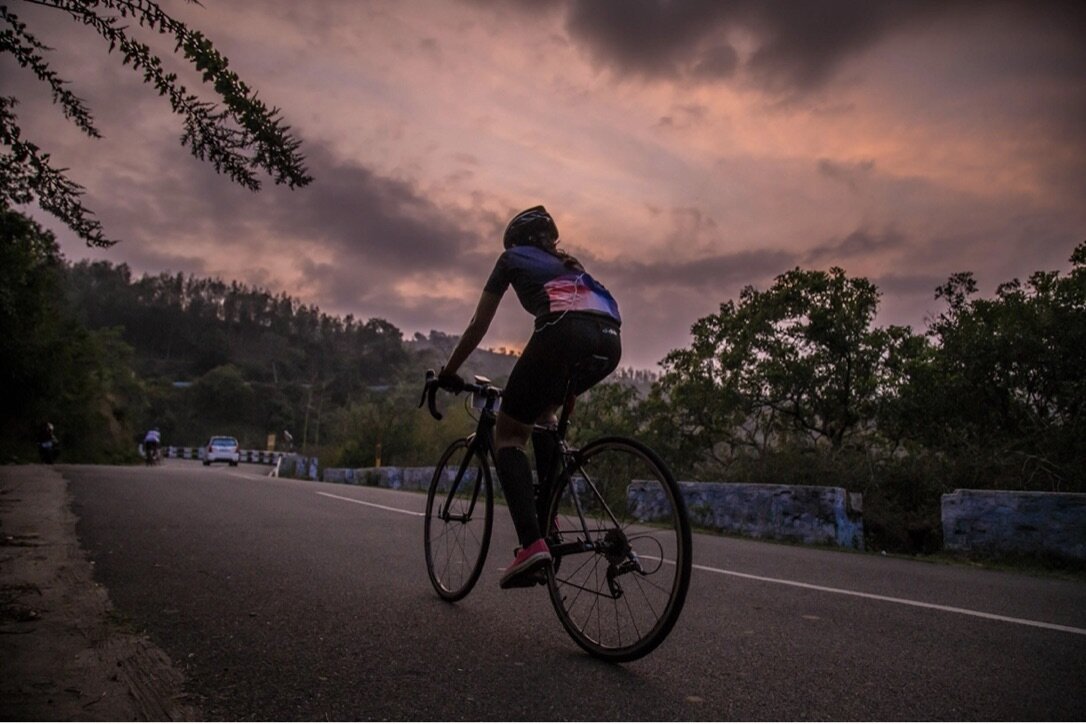
Image via Unsplash