9/10 Wednesday

Warm up 

Single Arm DB warm ups #1

  1. 10 DB deadlifts (5 right/ 5 left)

  2. Walking lunge complex 10m

  3. 10 DB row (5 right/ 5 left)

  4. Inchworm 10m

  5. 10 DB cleans (5 right/ 5 left)

  6. Toy soldiers 10m

  7. 10 DB snatches (5 right/ 5 left)

  8. Walking pigeon 10m

  9. 10 DB OHS (5 right/ 5 left)

WOD

3 rounds for time:

10 DB snatch AHAP

1 minute OH carry L

1 minute OH carry R

10 single arm DB row AHAP

Ray Traitz
9/9 Tuesday

Warm up 

Dynamic warm up #2

Coach’s choice

3x

  1. Walking lunge Sampson stretch

  2. Dynamic walk

  3. Inchworm

  4. Toy soldiers

  5. High knees

  6. Butt kicks

  7. Toe walks

  8. Heel walks

  9. Power skip

  10. Broad jumps

  11. TTR or v ups x 15

WOD

Run/ row/ bike 4 minutes

50 walking lunges with rotation

DU/ taps 3 minutes

60 push ups with rotation

Mountain climbers 3 minutes

70 bicycles

Burpees 4 minutes

40 explosive lateral lunges L/R

Ray Traitz
9/8 Monday

Warm Up 

The Complex warm up

3 minute jump rope complex

10 singles/ 10 singles as fast as possible/ 10 singles/ 10 double unders

3x

  1. Push up complex (5 close/ 5 shoulder with apart/ 5 ultra wide) 

  2. Pull up complex (5 close/ 5 shoulder with apart/ 5 ultra wide) 

  3. Mid section complex (5 tucks/ 5 v-ups/ 5 Hollow rocks) 

  4. Posterior complex (5 superman/ 5 super rock/ 5 good morning)

  5. Stationary lunge complex (5 forward lunges/ 5 lateral lunges/ 5 reverse lunges)

WOD

12x

30:30

DB thrusters

Devils press

Ray Traitz
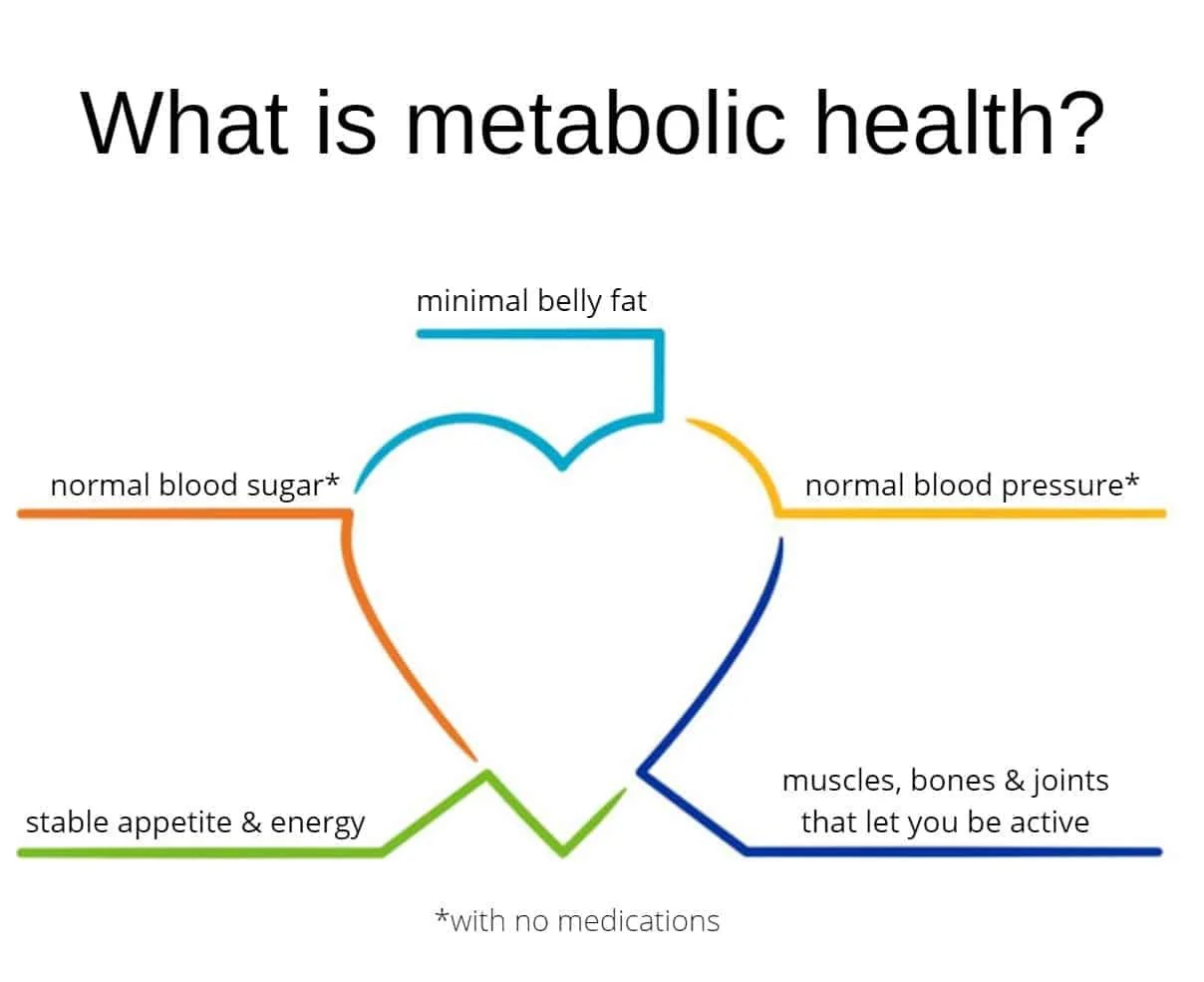
Muscle: The Currency of Metabolic Health

By Coach Ray Traitz | Health, Fitness & Strength Coach

📧 amrapfitness@hotmail.com

Introduction: Why Muscle Matters Beyond Strength

When we think about health, most people focus on weight, diet, or cardio. But what if I told you that the real currency of metabolic health isn’t your scale—it’s your muscle mass?

Muscle isn’t just for strength or aesthetics. It’s a metabolic powerhouse that regulates blood sugar, supports hormone balance, improves insulin sensitivity, and even reduces inflammation—all critical factors for longevity.

Coach Ray Traitz has witnessed firsthand the transformation of clients when they focus on building and maintaining lean muscle. From improved energy to enhanced fat metabolism, muscle is the foundation of a healthy, long life.

Fact #1: Muscle Burns Calories, Even at Rest

Skeletal muscle is metabolically active tissue. Every pound of muscle you maintain burns approximately 6-10 calories per day at rest. This may seem small, but combined with daily activity, it can add up to hundreds of extra calories burned per week without even stepping into a gym.

Application: Resistance training, even twice a week, can significantly increase muscle mass and boost basal metabolic rate, helping with fat loss and metabolic regulation.

The Science Behind Muscle and Metabolic Health

Top Researchers in the Field:

1. Dr. Gabrielle Lyon – Muscle-Centric Medicine

  • Muscle improves insulin sensitivity, reducing type 2 diabetes risk.

  • Skeletal muscle acts as a metabolic sink for glucose, preventing chronic hyperglycemia.

  • Higher lean body mass correlates with lower mortality risk in older adults.

2. Dr. Stuart Phillips – Protein and Resistance Training

  • Regular resistance training preserves lean mass during caloric restriction.

  • Muscle stimulates the release of myokines—hormones that reduce systemic inflammation.

  • Muscle retention improves metabolic flexibility, allowing the body to switch between burning fat and carbs efficiently.

3. Dr. Peter Attia – Longevity and Metabolic Health

  • Muscle mass is inversely correlated with cardiovascular disease risk.

  • Loss of muscle with age (sarcopenia) is a predictor of metabolic syndrome.

  • Combining strength training with nutrition interventions significantly reduces insulin resistance.

Fact #2: Muscle is Your Anti-Disease Armor

Losing just 5-10% of skeletal muscle can significantly impact insulin sensitivity, glucose regulation, and fat metabolism. Maintaining and building muscle can protect against:

  • Type 2 diabetes

  • Heart disease

  • Obesity

  • Chronic inflammation

Application: Prioritize compound movements like squats, deadlifts, presses, and rows. These recruit multiple muscle groups, improving strength and metabolic output simultaneously.

Case Studies: Muscle as a Metabolic Game-Changer

  1. Resistance Training Study (Dr. Phillips, 2018)
    Participants performing 12 weeks of progressive resistance training increased lean mass by 2-3 kg and improved insulin sensitivity by 20%.

  2. Myokine Research (Dr. Lyon, 2019)
    Subjects with higher lean muscle mass showed reduced inflammatory markers, suggesting that muscle actively protects against metabolic disease.

  3. Sarcopenia and Longevity (Dr. Attia, 2020)
    Older adults who preserved or gained muscle mass through resistance training had a 30% lower risk of metabolic syndrome and improved cardiovascular biomarkers compared to peers with declining muscle.

Fact #3: Muscle is Essential for Hormonal Health

Muscle tissue regulates critical hormones, including:

  • Insulin: Muscle is the largest glucose sink in the body.

  • Testosterone: Strength training stimulates natural production.

  • Growth Hormone & IGF-1: Muscle growth supports anabolic signaling, which improves tissue repair and longevity.

Application: Nutrition matters as much as training. Adequate protein (1.2-2.0 g/kg body weight), paired with resistance exercise, ensures muscle is preserved and metabolic health optimized.

Coach Ray Traitz’s Approach to Muscle-Centric Metabolic Health

Coach Ray works with clients to make muscle a priority, not just aesthetics. His method includes:

  • Individualized resistance training programs focused on compound lifts.

  • Nutrition strategies optimized for lean mass maintenance and fat reduction.

  • Biohacks and recovery protocols that enhance muscle repair, growth, and metabolic function.

  • Lifestyle interventions to ensure sleep, stress, and social habits support anabolic and metabolic health.

By focusing on muscle as currency, clients experience better energy, improved body composition, and enhanced longevity—building a life where metabolic health is prioritized over temporary scales or fad diets.

Closing Thoughts: Muscle is Life

Building and maintaining muscle isn’t just about looking good. It’s about creating a metabolic shield that supports longevity, reduces disease risk, and enhances everyday energy. Muscle is the most reliable investment you can make in your long-term health.

If you’re ready to invest in your metabolic health and longevity through strength, nutrition, and lifestyle optimization, Coach Ray Traitz can guide you every step of the way.

📧 Contact: amrapfitness@hotmail.com

Resources

  1. Lyon, G. (2019). Muscle-Centric Medicine.

  2. Phillips, S. M. (2018). Resistance Training and Metabolic Health. Applied Physiology, Nutrition, and Metabolism.

  3. Attia, P. (2020). Outlive: The Science and Art of Longevity.

  4. Wolfe, R. R. (2006). The Underappreciated Role of Muscle in Health and Disease.

Ray Traitz
Growth Happens Outside Your Comfort Zone: The Key to Strength, Resilience, and Longevity

By Coach Ray Traitz | Health, Fitness & Strength Coach

📧 amrapfitness@hotmail.com

Introduction: Comfort vs. Growth

True growth—whether physical, mental, emotional, or spiritual—rarely happens inside your comfort zone. Life is designed to challenge us, and when we face discomfort, our body, mind, and spirit adapt, becoming stronger, more resilient, and more capable.

Coach Ray Traitz has seen this principle in action with clients and in his own life. From lifting heavier weights, pushing past mental limits, and navigating challenging relationships, to embracing spiritual practices that stretch the heart and mind—discomfort is often the catalyst for longevity and quality of life.

This blog explores why embracing discomfort is essential for growth, how it impacts longevity, and practical strategies for implementing this principle in daily life.

Why Discomfort is Essential for Growth and Longevity

  • Strength and Fitness: The body adapts to stress. By progressively overloading muscles, the cardiovascular system, and mobility ranges, the body grows stronger, more resilient, and better equipped for life’s challenges.

  • Nutrition: Stepping outside comfort zones in nutrition—choosing nutrient-dense foods over cravings—trains discipline and improves metabolic health, gut microbiota, and inflammation profiles.

  • Mental Capacity: Learning new skills, challenging thought patterns, and embracing uncertainty enhances cognitive flexibility, neuroplasticity, and emotional resilience.

  • Relationships: Constructive conflict, honest communication, and vulnerability improve connection and social longevity, which are critical predictors of overall lifespan.

  • Spiritual Growth: Reflecting on values, practicing mindfulness, and engaging in uncomfortable self-examination deepens purpose, reduces stress, and promotes resilience against age-related decline.

Leading Researchers on Growth Through Discomfort

Dr. Kelly McGonigal (Psychology of Stress and Growth)

  • Stress Reframing: Viewing stress as a challenge rather than a threat improves resilience and longevity.

  • Habit Formation Through Discomfort: Incremental exposure to challenges rewires the brain to embrace growth.

  • Mind-Body Integration: Mental discomfort paired with controlled stress can boost immune function and cognitive health.

Dr. Stuart Phillips (Muscle Adaptation and Overload)

  • Progressive Overload Principle: Strength and hypertrophy occur when muscles are challenged beyond previous limits.

  • Recovery and Adaptation: Temporary stress triggers anabolic pathways, enhancing long-term strength and metabolic health.

  • Nutritional Stress: Training nutrition and intermittent fasting can push metabolic flexibility and optimize longevity.

Dr. Brené Brown (Vulnerability and Personal Growth)

  • Vulnerability in Relationships: Being open and uncomfortable improves trust, social support, and emotional health.

  • Courage Over Comfort: Embracing discomfort in life decisions fosters resilience.

  • Purpose-Driven Life: Aligning actions with values, even when uncomfortable, strengthens mental and emotional longevity.

Case Studies Illustrating Growth Through Discomfort

  1. Strength and Physical Adaptation:
    Participants in Dr. Phillips’ resistance training programs who consistently pushed past minor discomfort in lifts saw measurable improvements in muscle mass, functional capacity, and insulin sensitivity over 12 weeks.

  2. Stress Reframing and Longevity:
    Dr. McGonigal’s research on “stress-is-enhancing” interventions showed that individuals who reframed daily stress as a challenge experienced lower cortisol levels and improved cardiovascular markers over six months.

  3. Vulnerability and Relationship Resilience:
    Dr. Brown’s studies demonstrated that couples who engaged in challenging conversations and navigated discomfort together reported higher satisfaction, reduced stress, and longer-term emotional stability.

Coach Ray Traitz’s Approach to Embracing Discomfort

Coach Ray integrates the principle of controlled discomfort across multiple areas of life:

  • Physical Training: Gradually pushing strength and conditioning boundaries with individualized programming.

  • Nutrition: Implementing biohacks, fasting protocols, and high-quality nutrition strategies to challenge metabolic adaptability.

  • Mental Training: Teaching mindfulness, journaling, and cognitive exercises that stretch mental resilience.

  • Relationship and Social Coaching: Encouraging proactive communication and accountability in social environments.

  • Purpose and Spirituality: Aligning actions with values, reflecting on life’s challenges, and building sustainable habits for longevity.

By embracing discomfort in these key areas, Ray’s clients not only see improvements in fitness and health markers but also experience higher emotional resilience, enhanced focus, and a stronger sense of purpose.

The Longevity Connection

Embracing controlled discomfort strengthens the body, sharpens the mind, and deepens social and emotional resilience. This multi-dimensional growth reduces disease risk, enhances mental capacity, and increases lifespan—not just in years, but in quality of life.

Work With Coach Ray Traitz

If you’re ready to embrace growth, challenge comfort, and unlock your full potential for health and longevity, Coach Ray Traitz can guide you:

📧 Contact: amrapfitness@hotmail.com
Expert coaching in strength, nutrition, mental resilience, and holistic longevity strategies.

Resources

  1. McGonigal, K. (2015). The Upside of Stress. Avery Publishing.

  2. Phillips, S. M., et al. (2016). Resistance Training and Muscle Adaptation. Applied Physiology, Nutrition, and Metabolism.

  3. Brown, B. (2018). Dare to Lead. Random House.

  4. Pontzer, H. (2021). Burn: The Misunderstood Science of Metabolism.

Ray Traitz